Catechesis of the Good Shepherd
The program is built on two main ideas: it teaches reverence for the Bible and Liturgy as the ways through which God speaks with us, and it respects each child as a unique person with their own gifts and abilities. CGS also ensures that our youngest learners on campus know and are encouraged to live out our Ursuline core values of reverence, service, leadership, and community.
We believe:
- God and the child have a unique relationship with one another, particularly before the age of six.
- Growth of this relationship should be assisted by the adult but is directed by the Spirit of God.
- Children need their own place to foster that growth of their relationship.
- The child’s spiritual growth is best served through tangible but indirect means.
About CGS Curriculum
The cry of the young child is, “Help me do it by myself.” In the CGS Atrium, that call expands to, “Help me come closer to God by myself.”
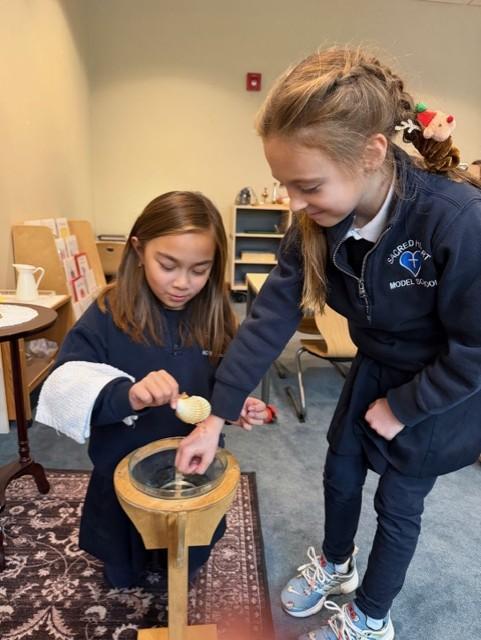
Started in 1954, CGS is based on Maria Montessori’s teaching methods, emphasizing hands-on, self-directed learning in a carefully prepared environment. In CGS, these special classrooms are called Atria and contain materials and activities designed according to the developmental needs of the children. The Atrium fosters a sense of closeness to God and helps children deepen their relationship with Him, cultivating joy and spiritual growth.
CGS also uses a spiral curriculum model, where the same core mysteries are revisited across multiple levels. Each time children return to a theme, the experience expands to match the child’s shifting developmental needs. This approach allows them to synthesize, deepen, and internalize the message more profoundly.
At Sacred Heart, we are blessed to have three Atria to serve our students, each with its own devoted catechist. We were honored to have all three of our Atria blessed by Vicar General Jeffrey Shooner on November 19, 2026.
|
Ages: Preschool 1s and 2s
|
Location: Motherhouse
|
Lead Catechist: Kathy Schafer |
The Mustard Seed Atrium is a place of wonder, joy, and discovery, where the youngest children are nurtured and encouraged to grow in relationship with God, themselves, and the world around them.
|
Ages: Preschool 3s, 4s, JK, and K
|
Location: Sacred Heart Model School PYP Building
|
Lead Catechist: Angie Embry
|
| Ages: L1 through L3 | Location: Chapel at Brescia Hall | Lead Catechist & CGS Program Manager: Brandan Holbrook |

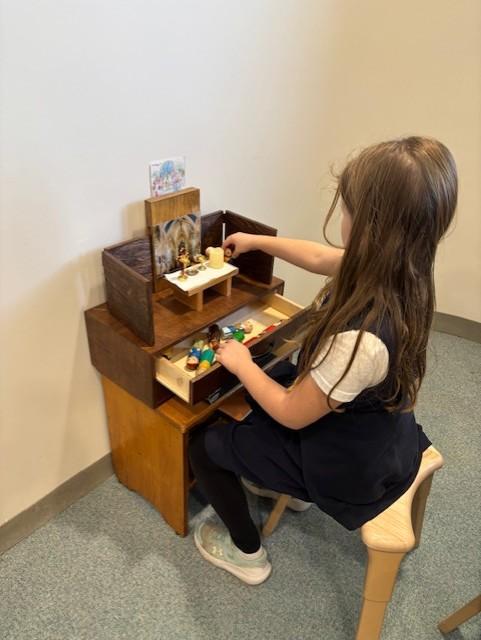
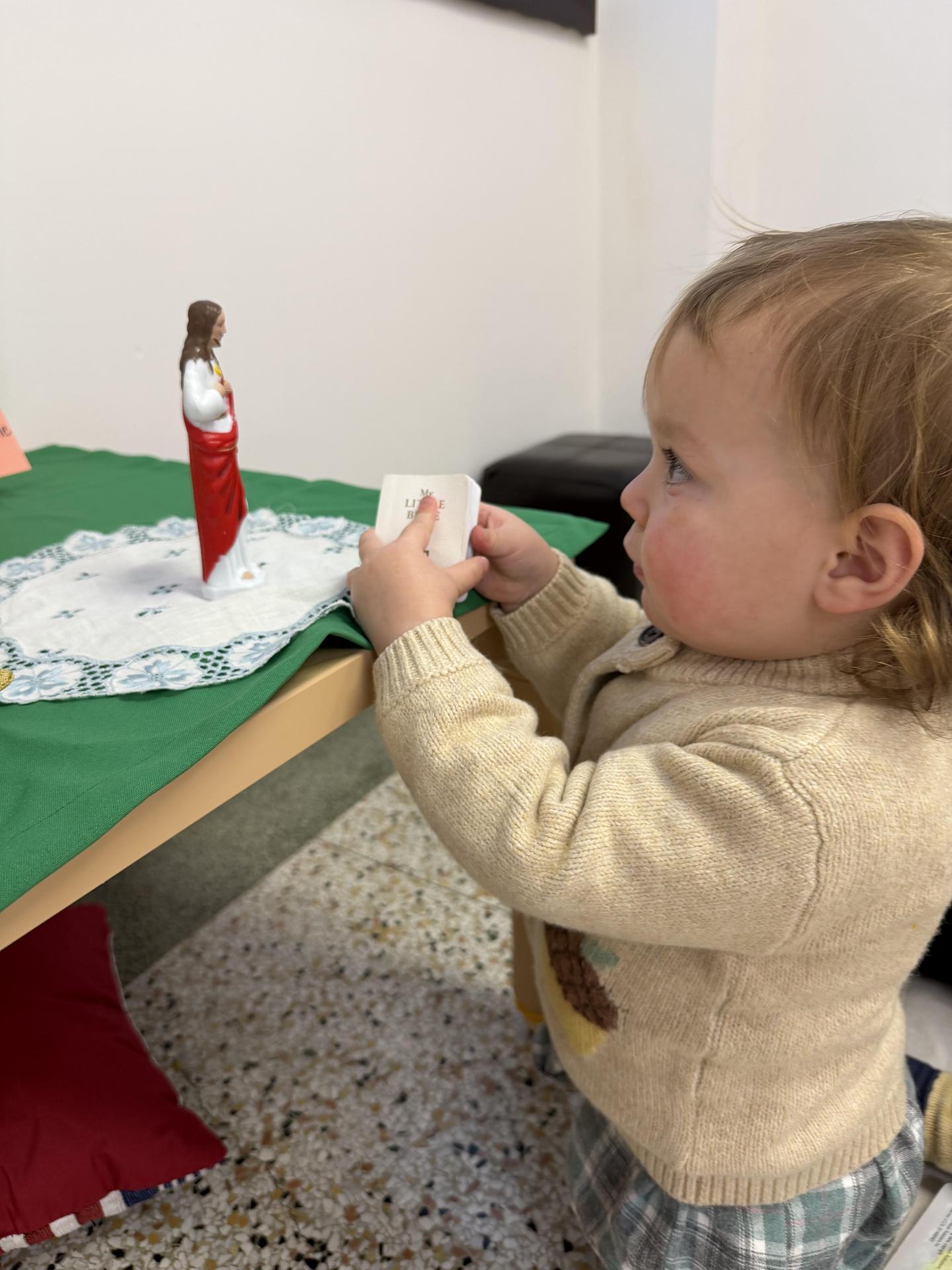
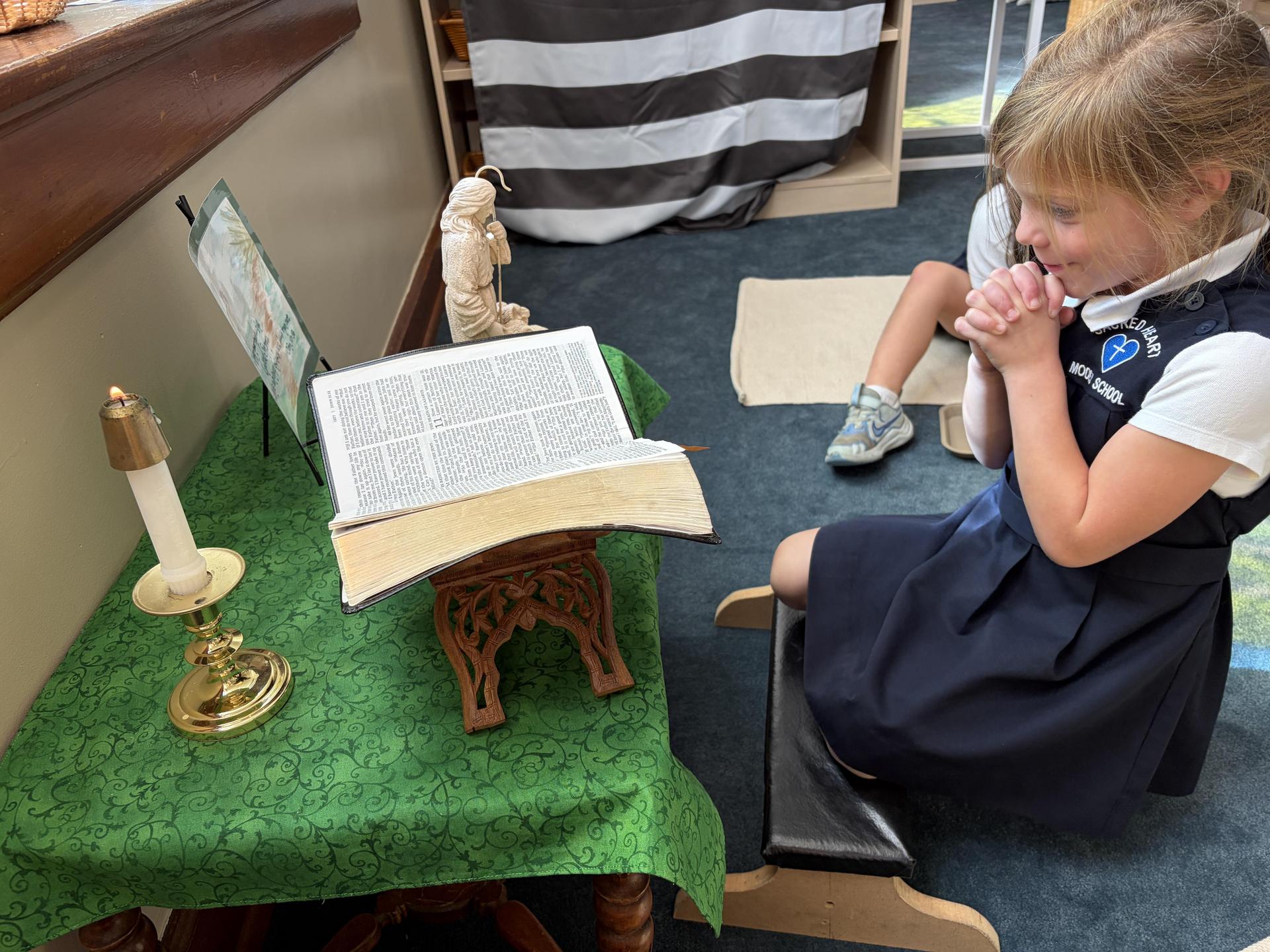
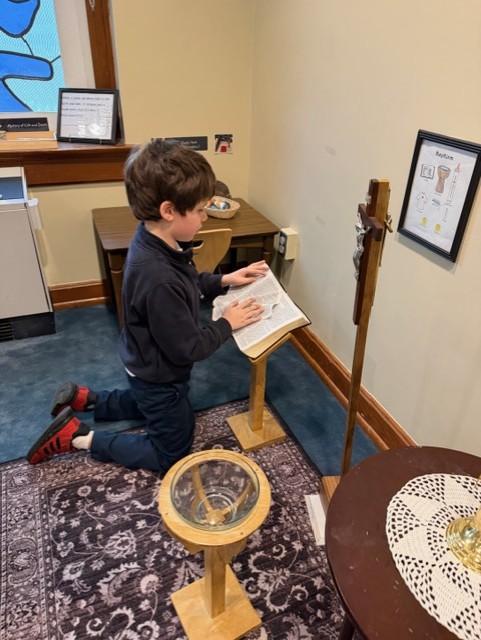
The Prayer Table is where the children learn that prayer is listening to God and responding. The Holy Bible is lifted up as our most precious book containing God’s words to us. In the CGS Atrium, children enjoy preparing the Prayer Table with a cloth in the liturgical color, the Bible and its stand, a candle, religious statues, and a prayer card—often one they have made themselves.
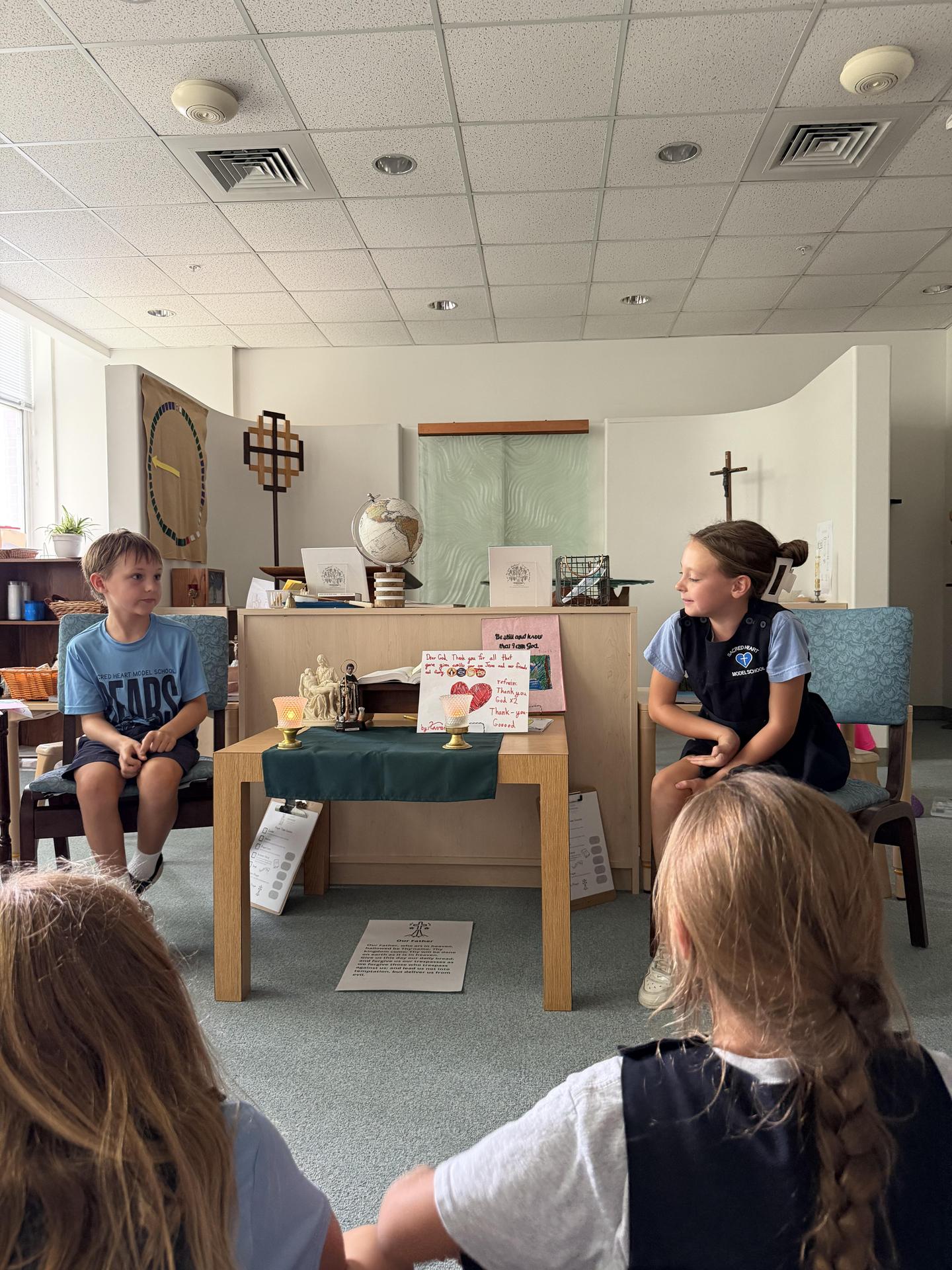
Older students take turns leading closing time for their class at the Prayer Table. Their classmates offer support and show respect throughout this special time. The students’ joy is clear as they guide the class in connecting with God.

 |
 |
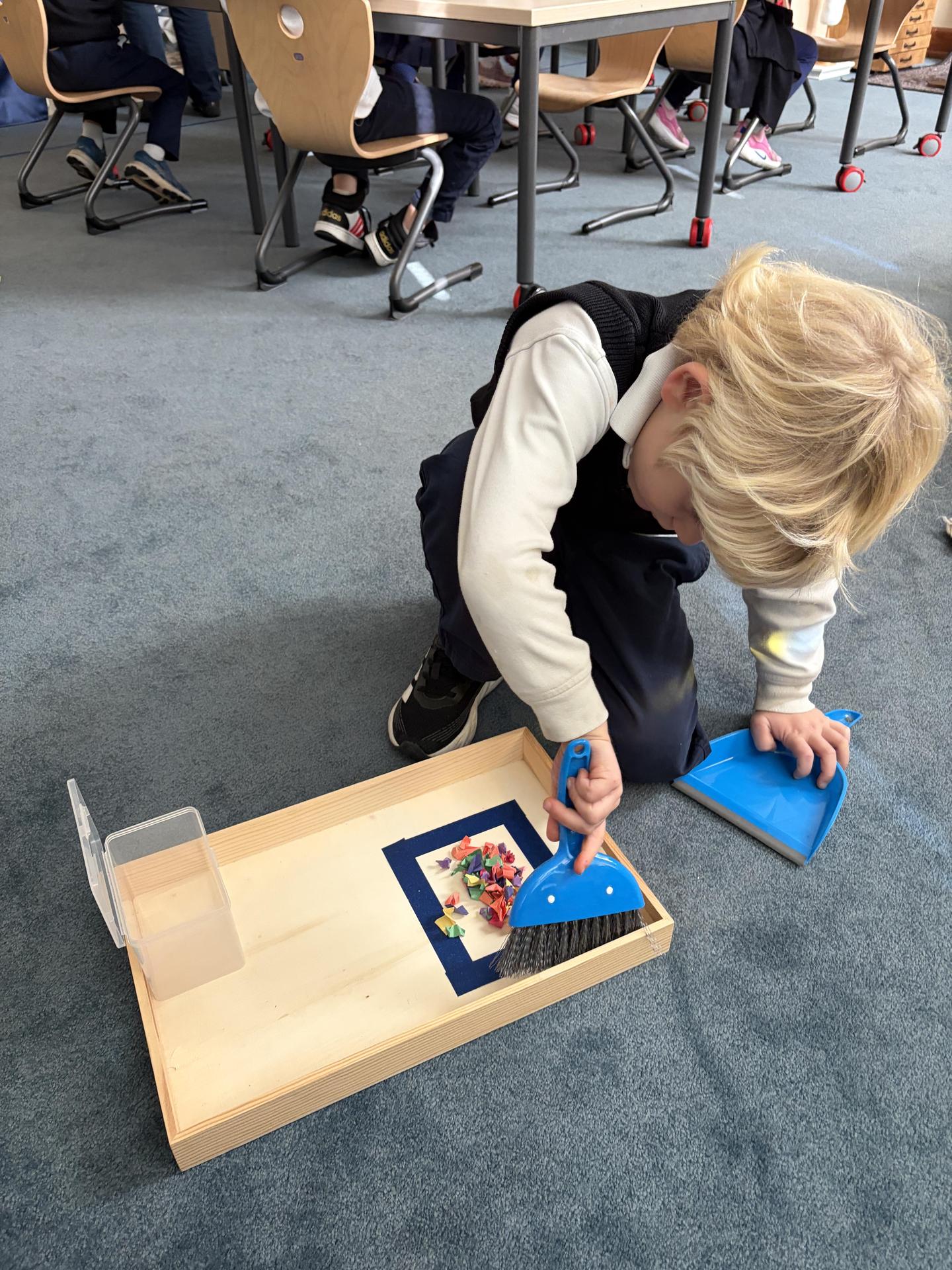 |
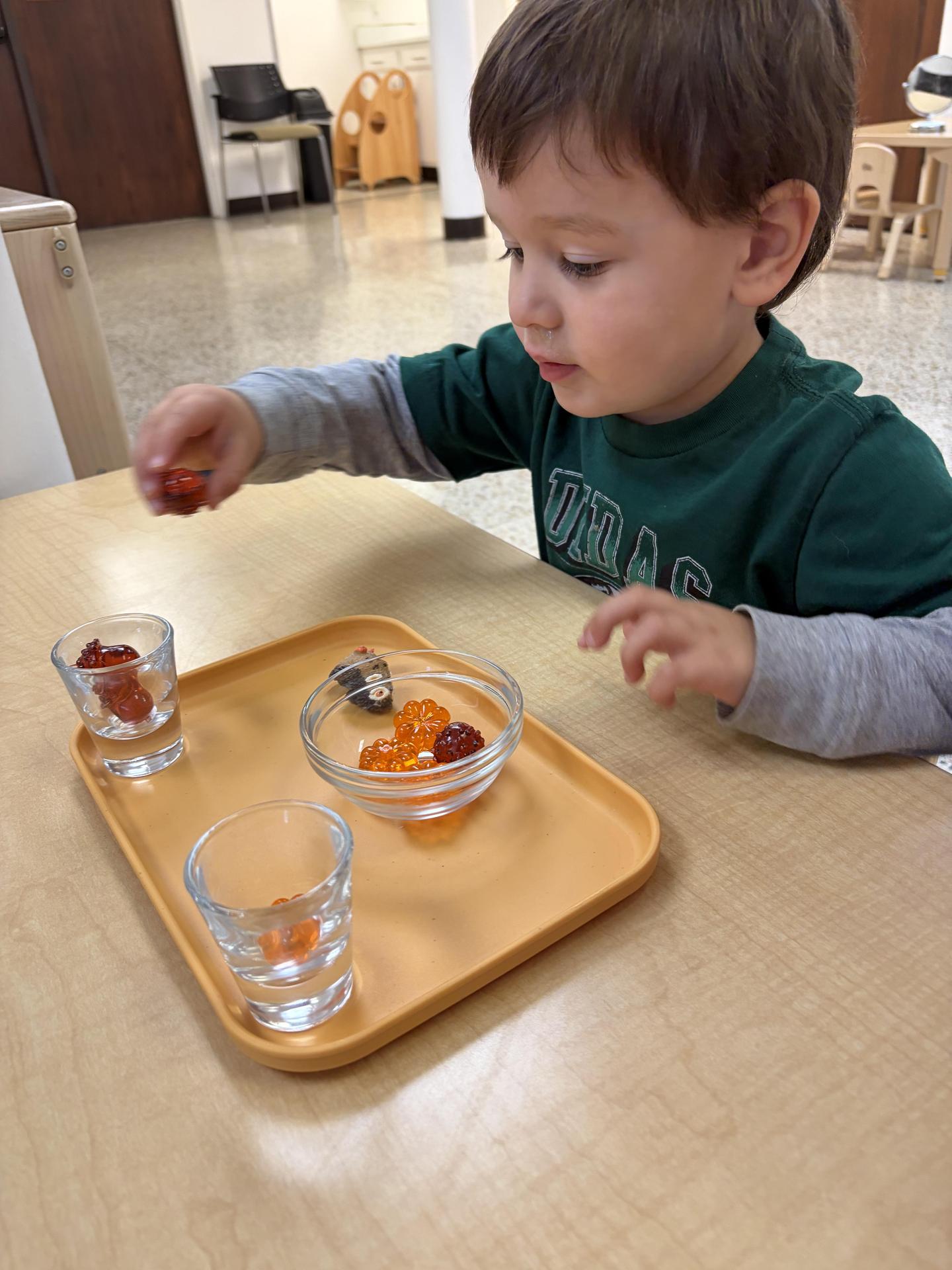
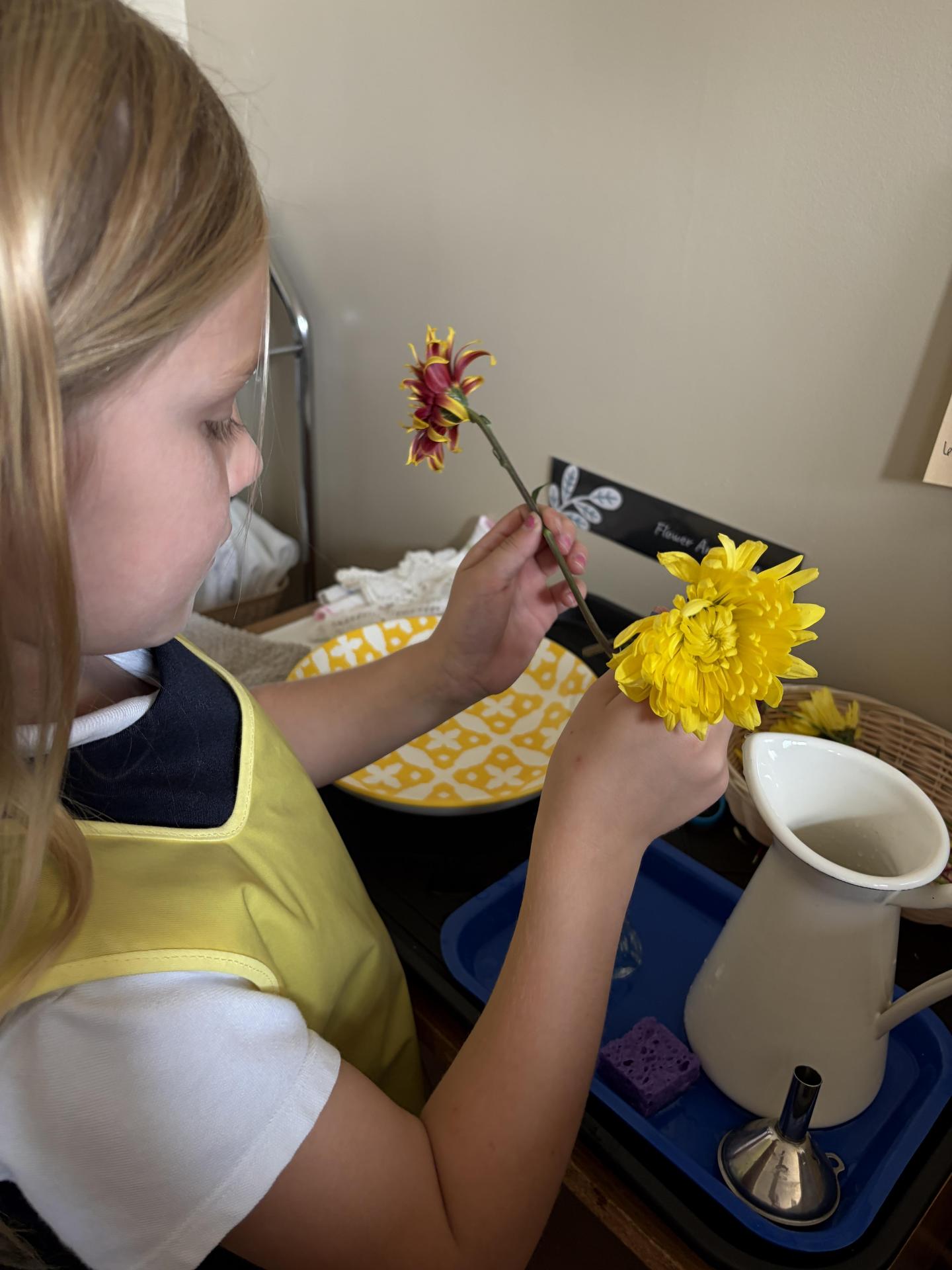
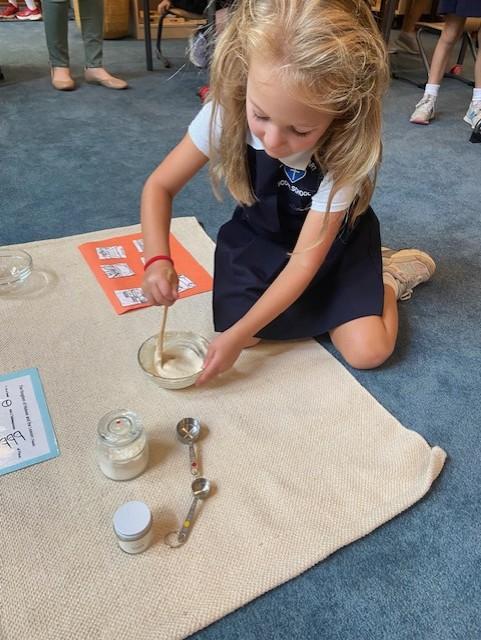
| Sorting | Flower Arranging | Sweeping |
 |
 |
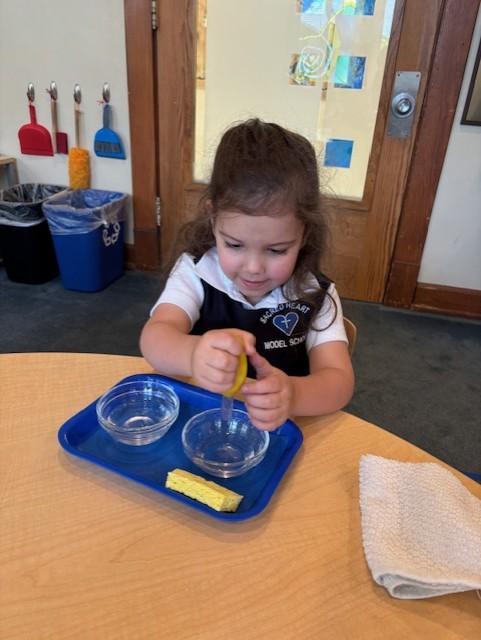 |
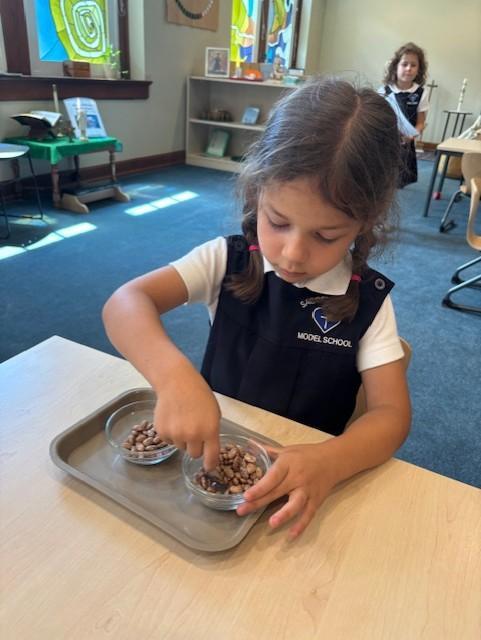
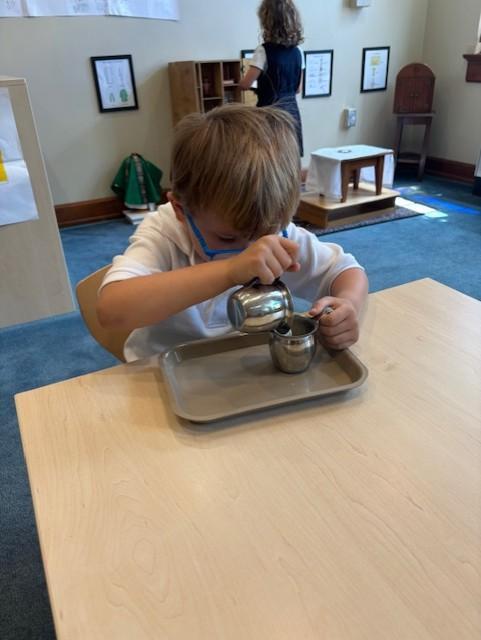
| Spooning | Dry Pouring | Sponging |
 |
 |
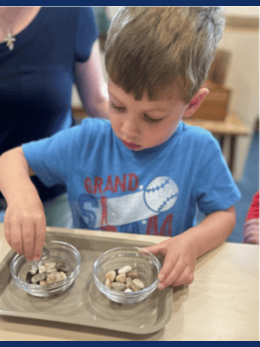 |
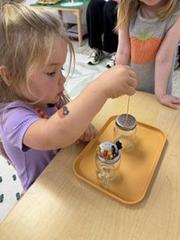
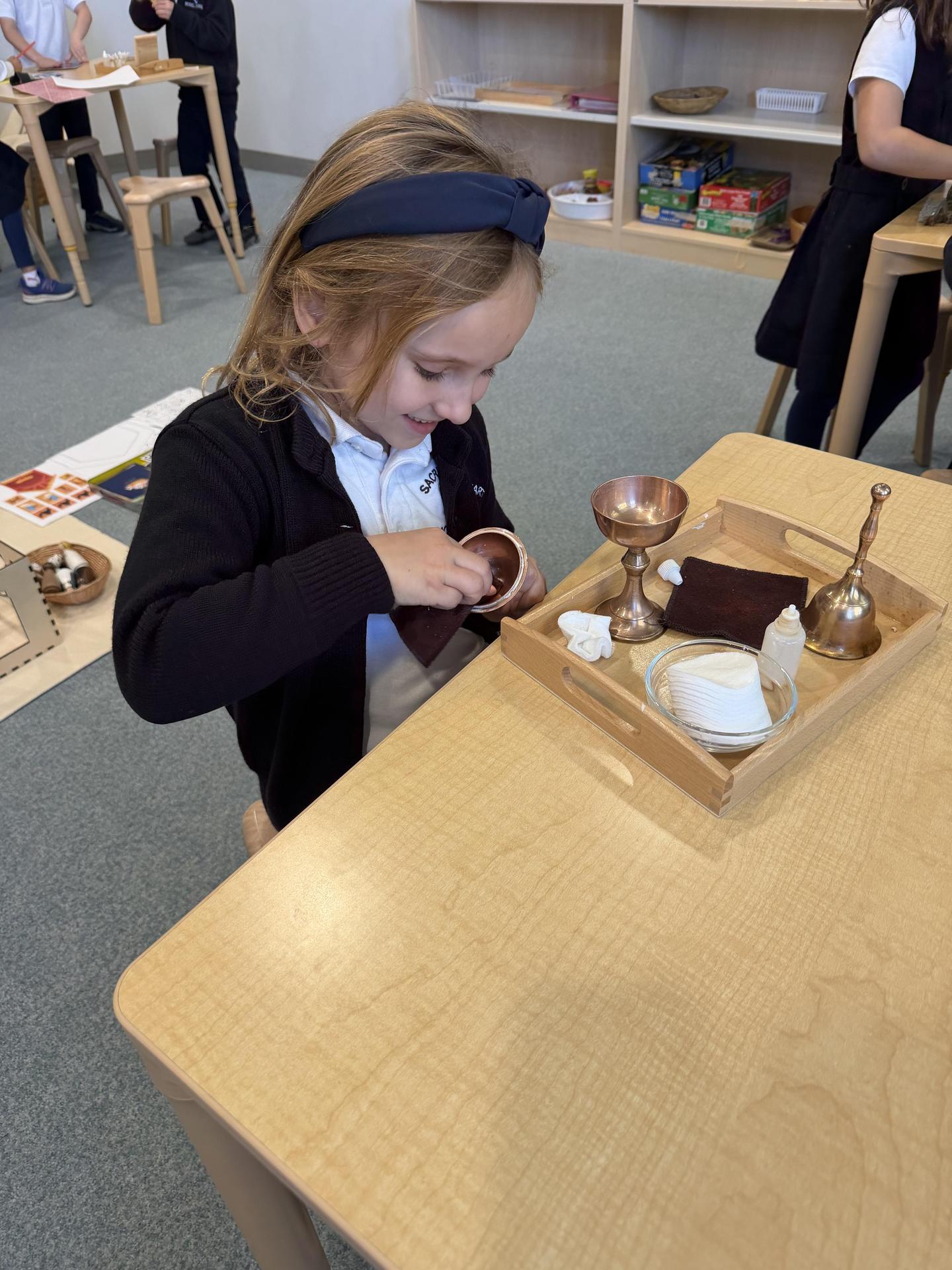
| Transferring | Polishing | Pinching |

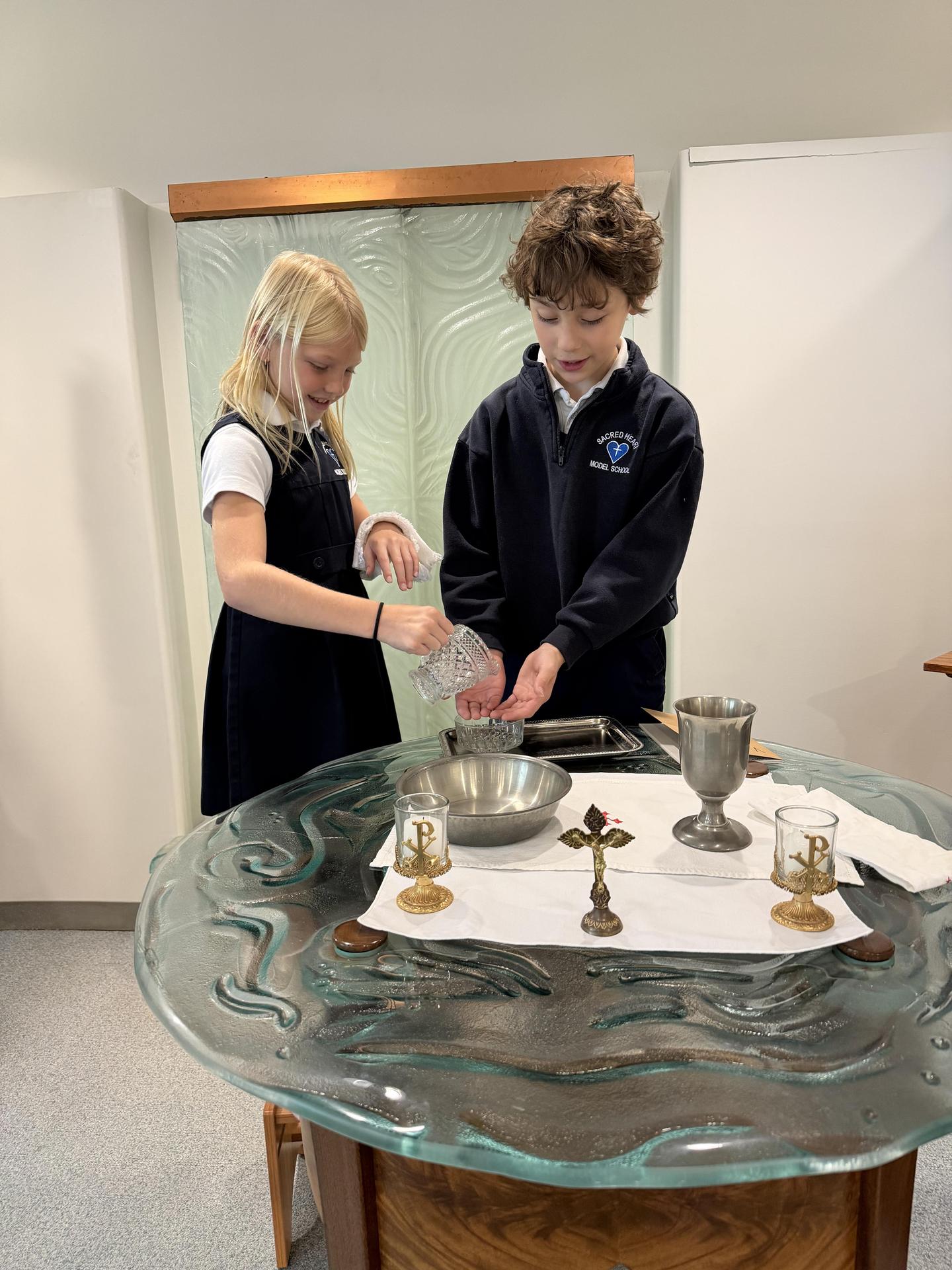
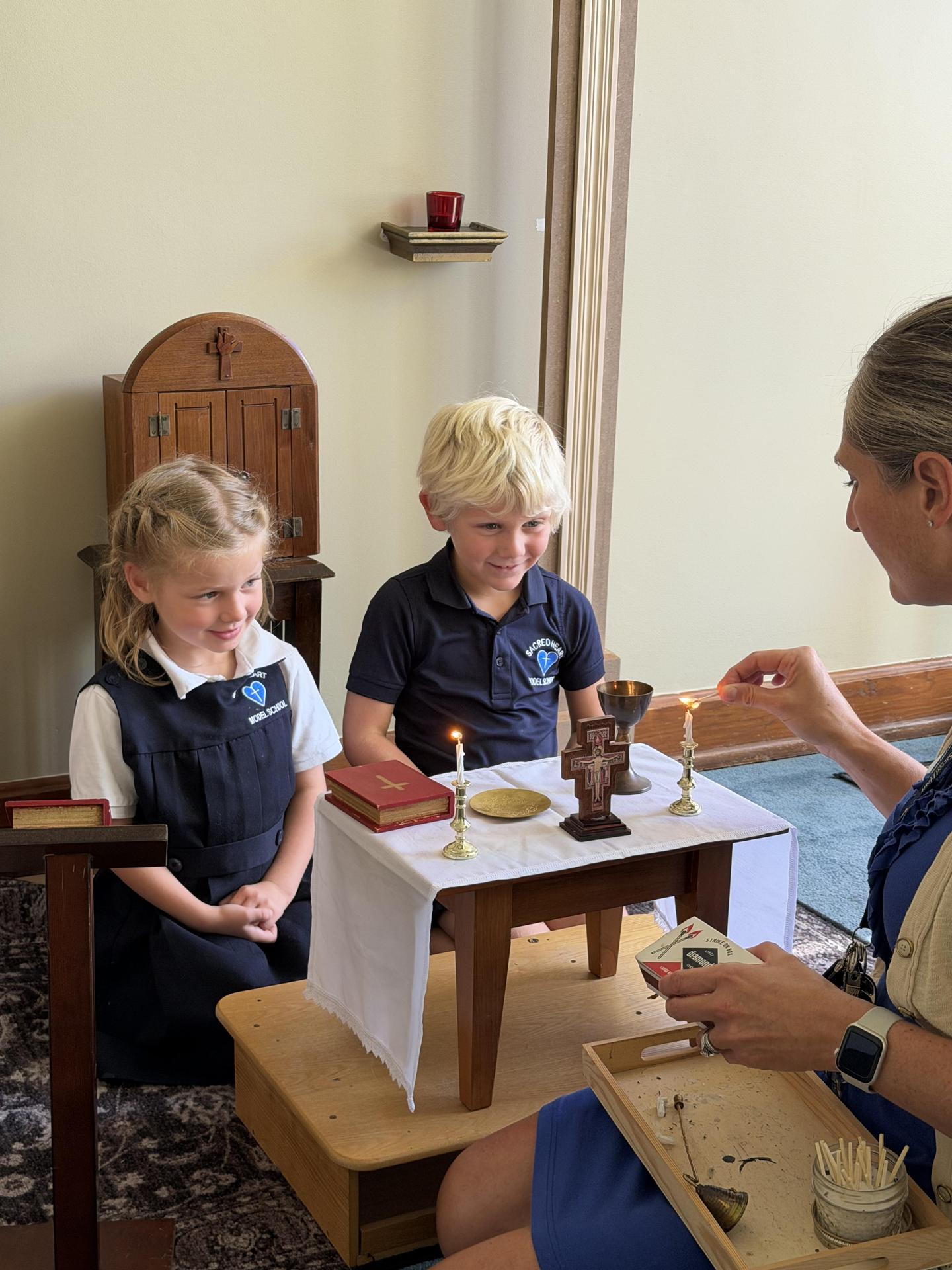
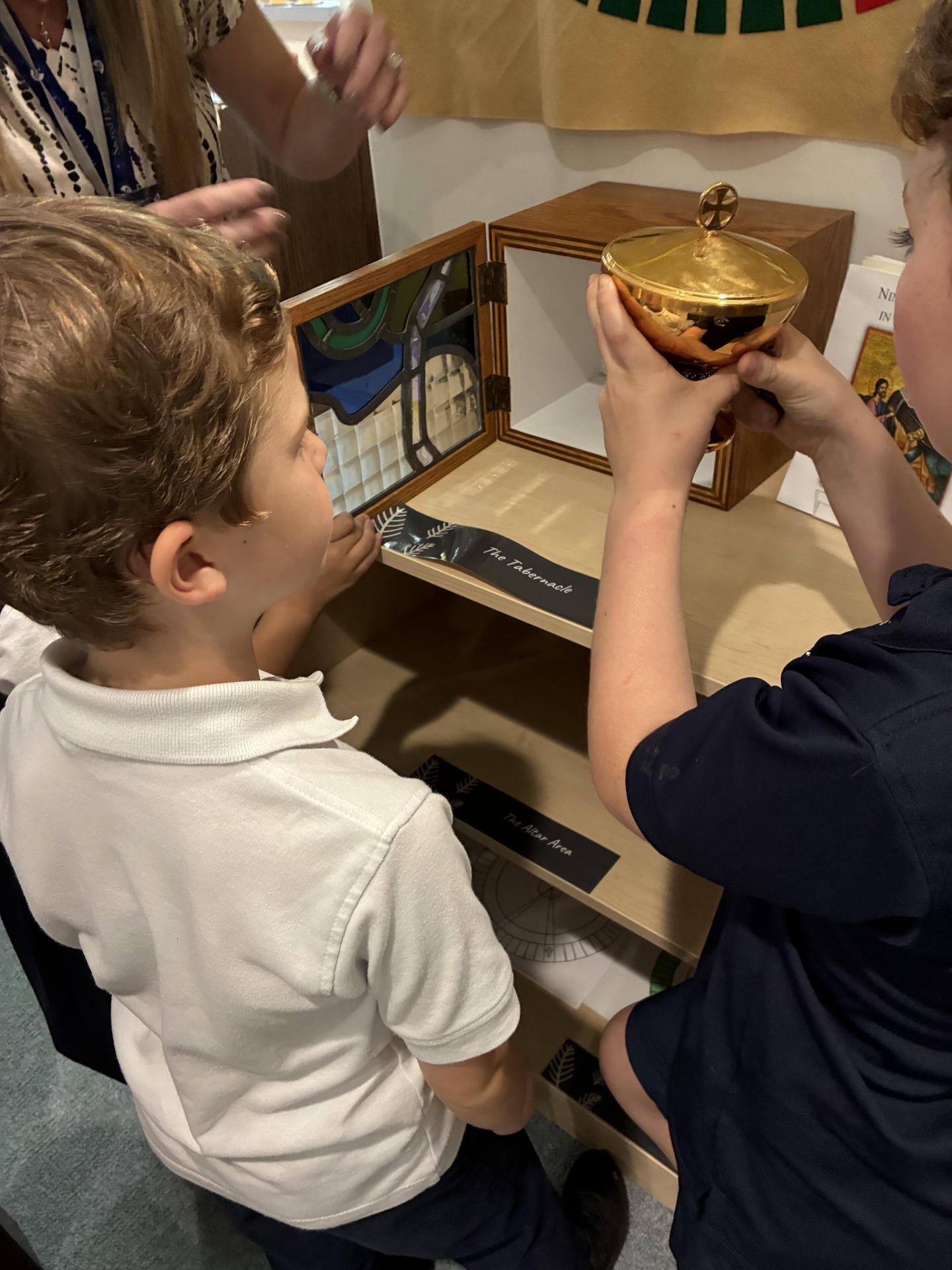
With the Model Altar, children learn to name and recognize the articles used at Mass and understand their purpose. This work prepares them for future catechetical work and encourages reverence in the child for these sacred articles. The children feel at home in the church, knowing that Jesus is with us in a special way at Mass.

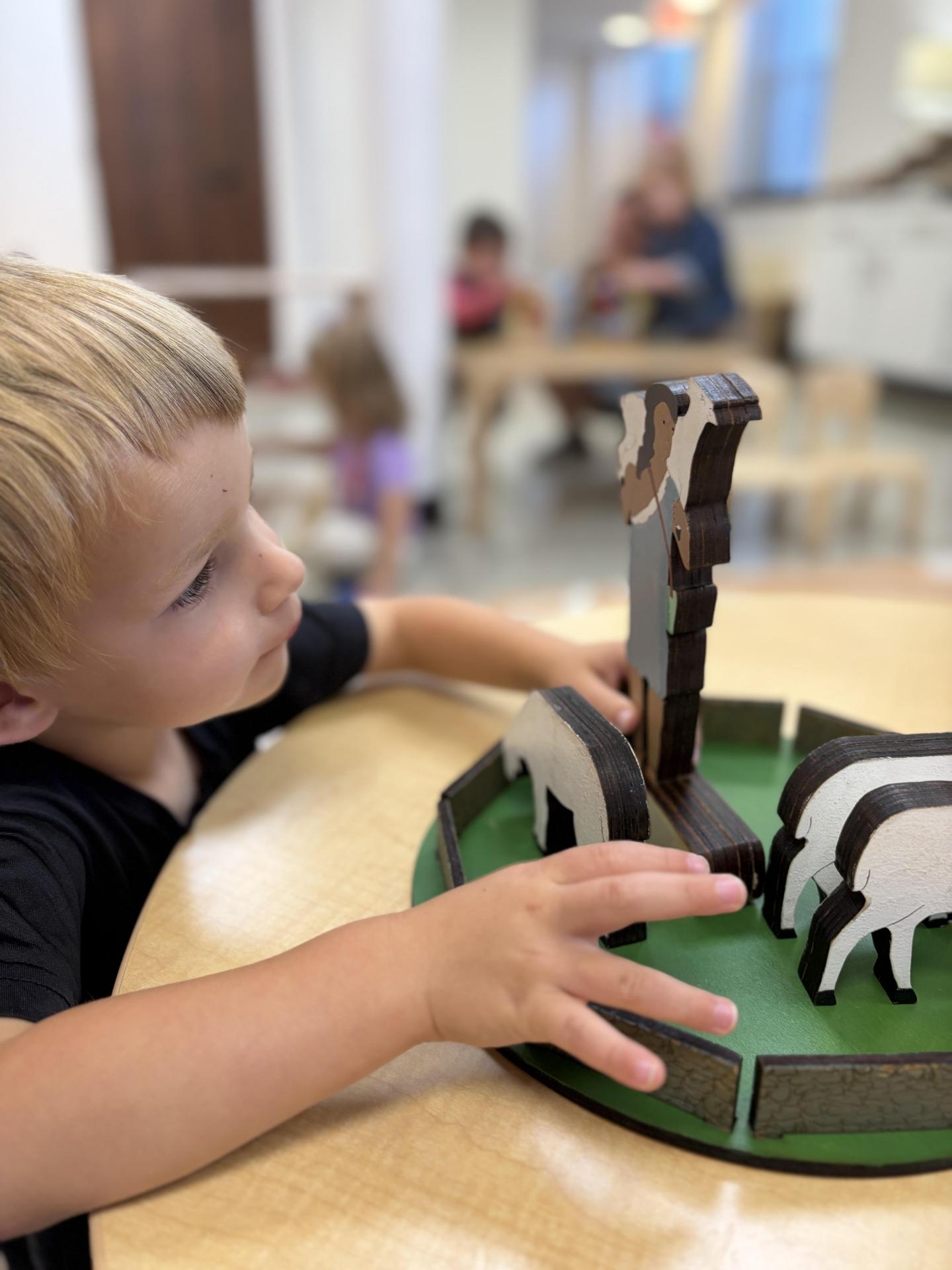
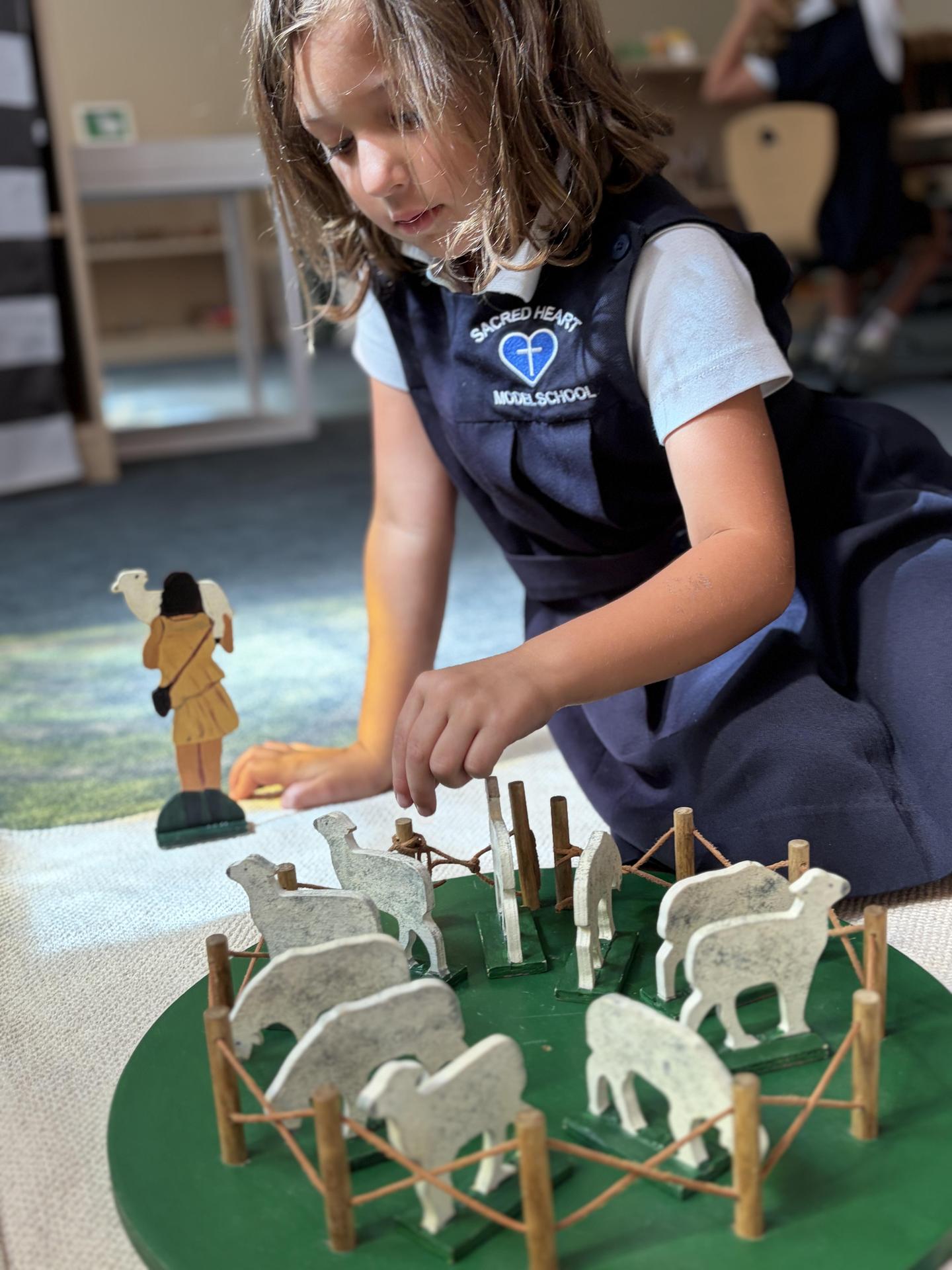
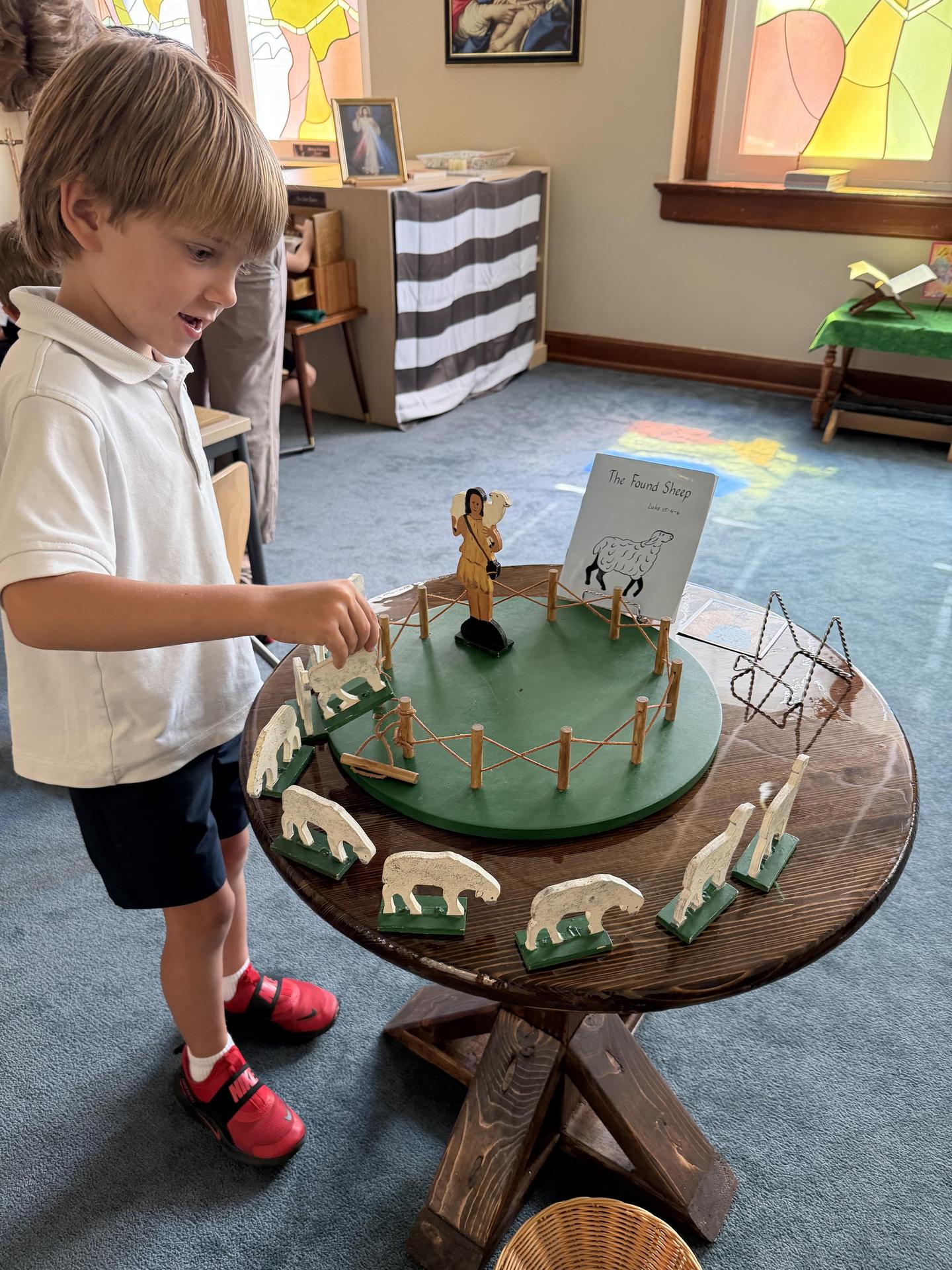
At the table of the Good Shepherd, we share the parable from John 10 and invite the children to fall in love with God by knowing Jesus, the Good Shepherd. Jesus knows each of His sheep and calls them by name. The sheep recognize His voice and listen to Him.

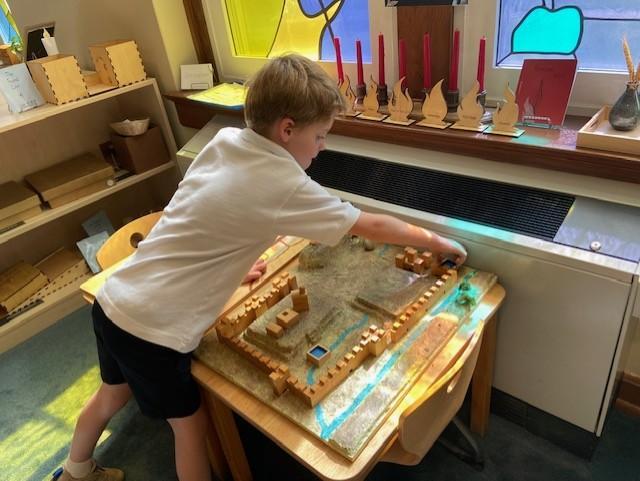
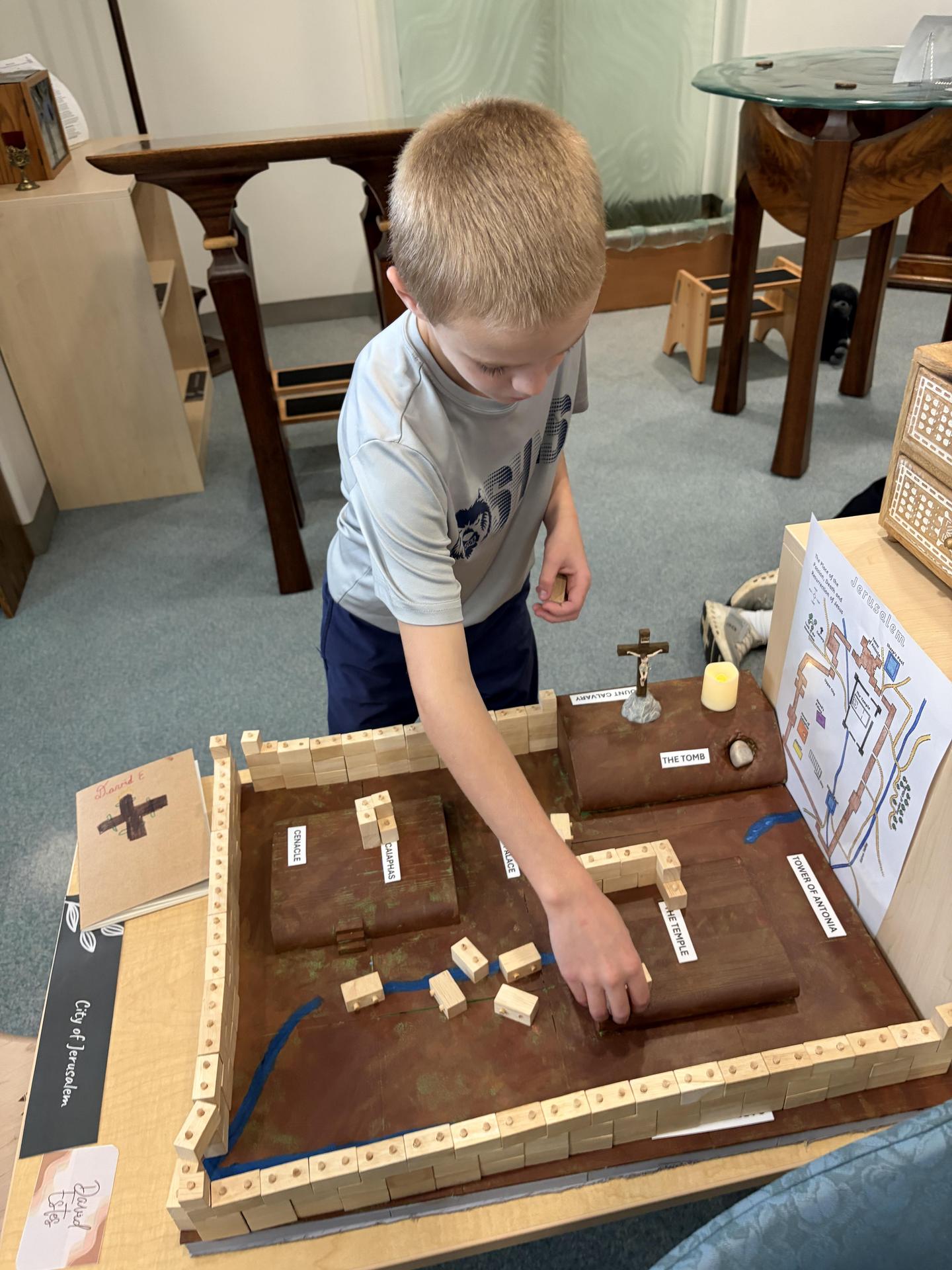
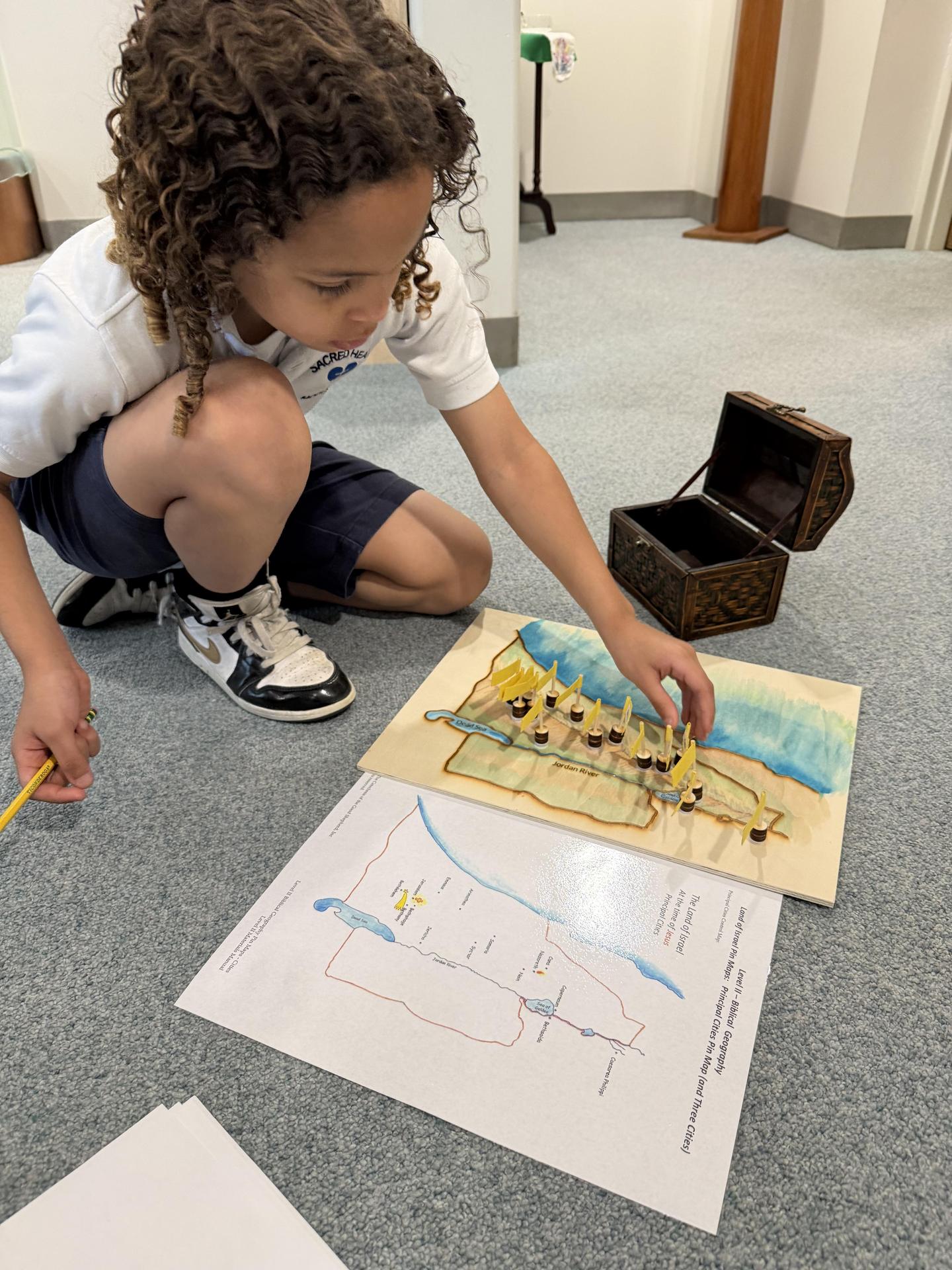
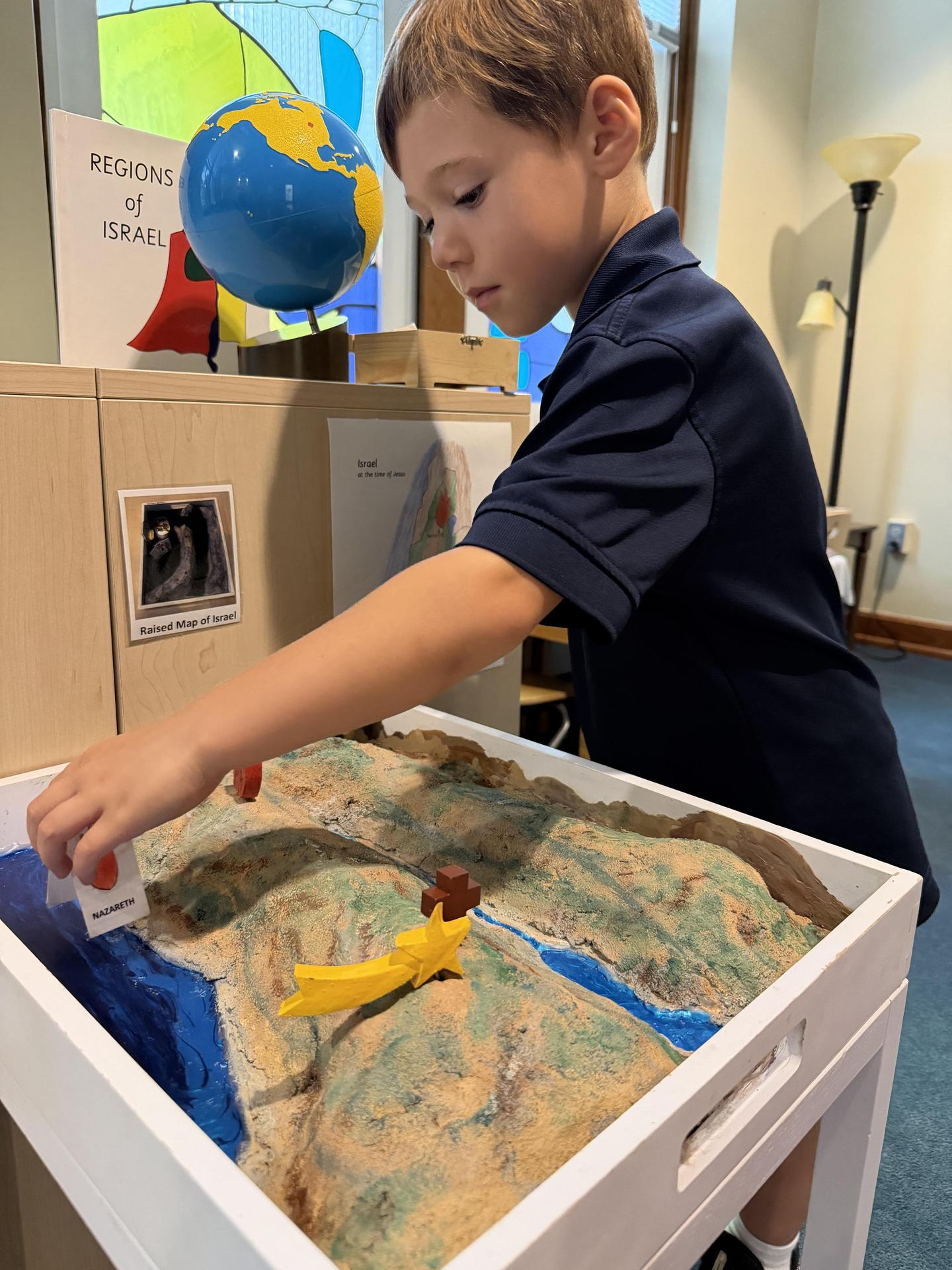
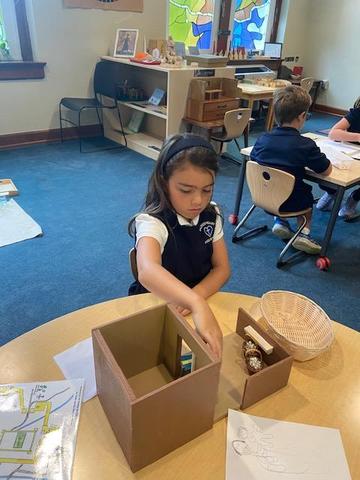
Learning about the geography of Jesus’ life in Israel anchors the child in reality and the historical setting of the Bible. Children explore the setting of Jesus’ life on earth through hands-on geography materials like a globe, a topographical map and puzzle map of Israel, and a 3D model of the city of Jerusalem. Through these sensory materials, the children absorb that Jesus is a real person who lived in a real time, born of a human mother but also of God.

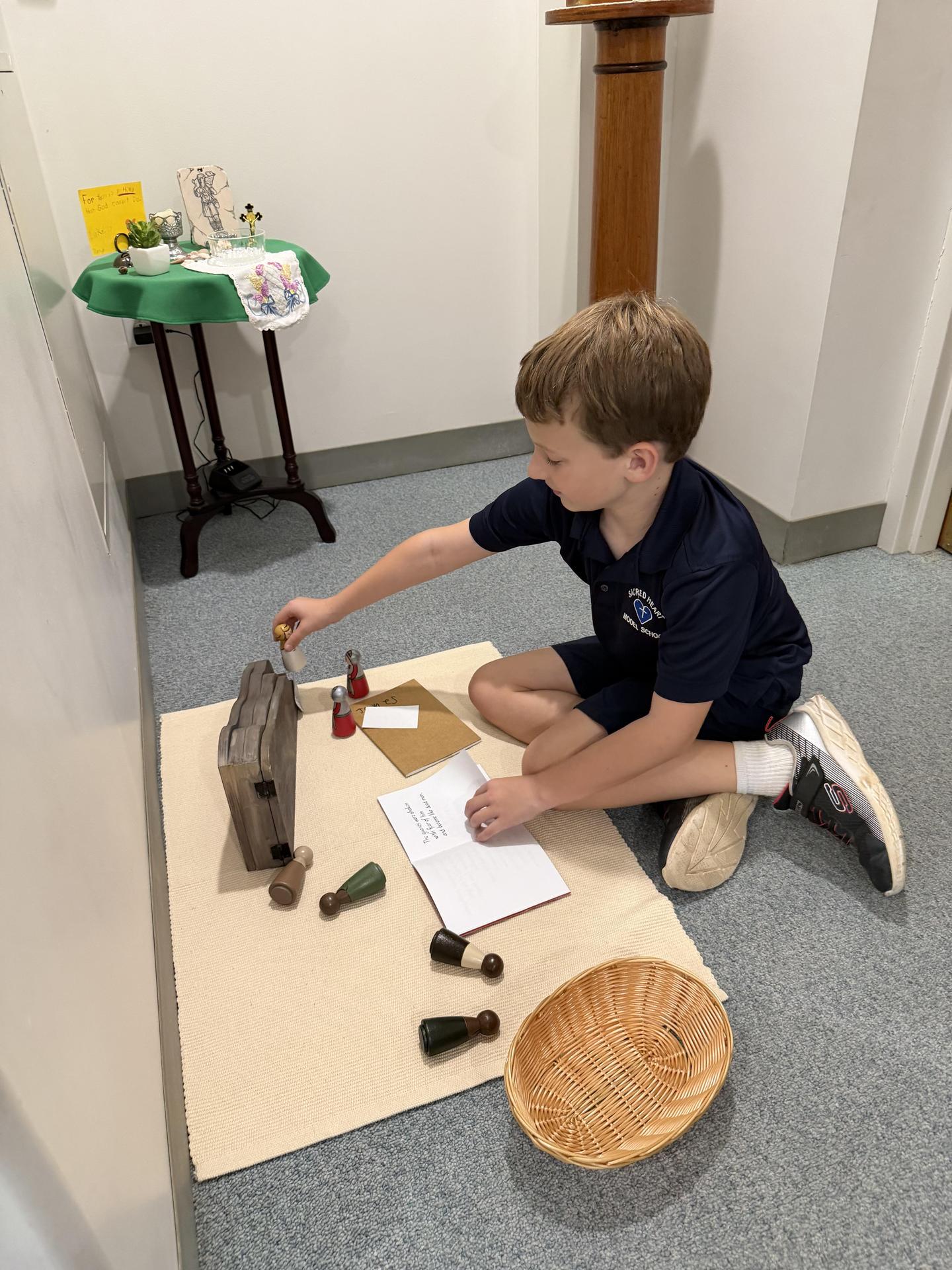
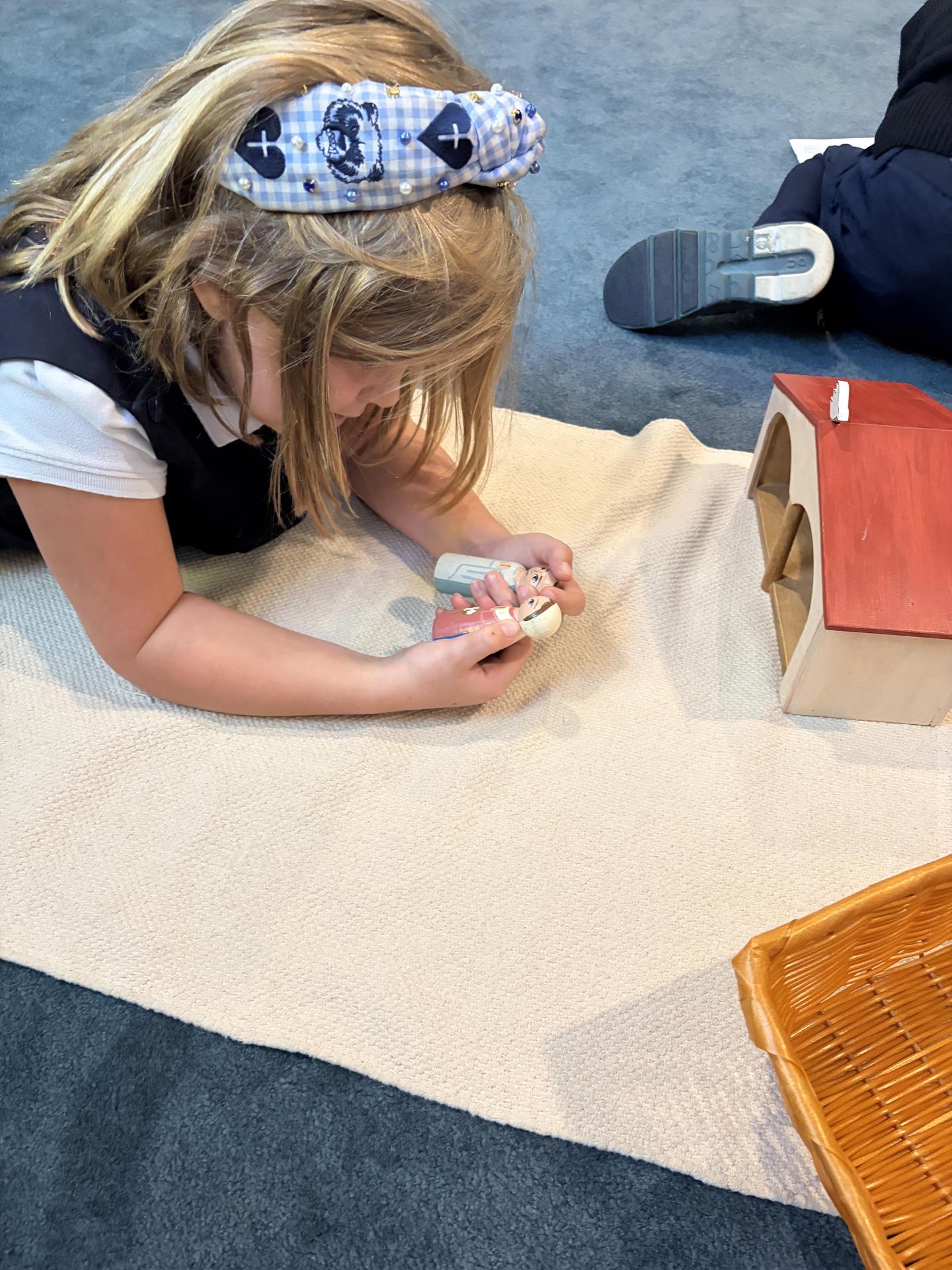
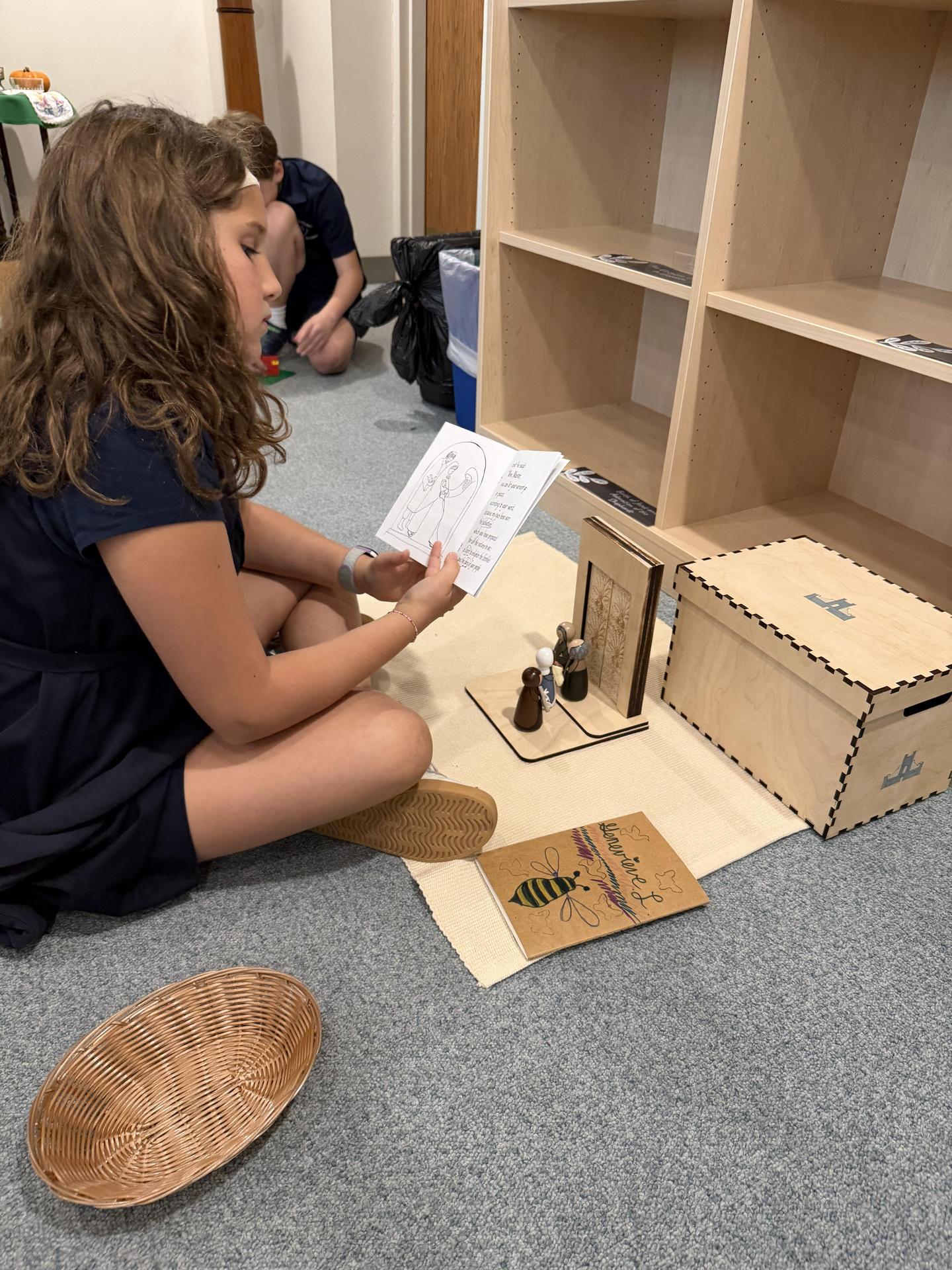
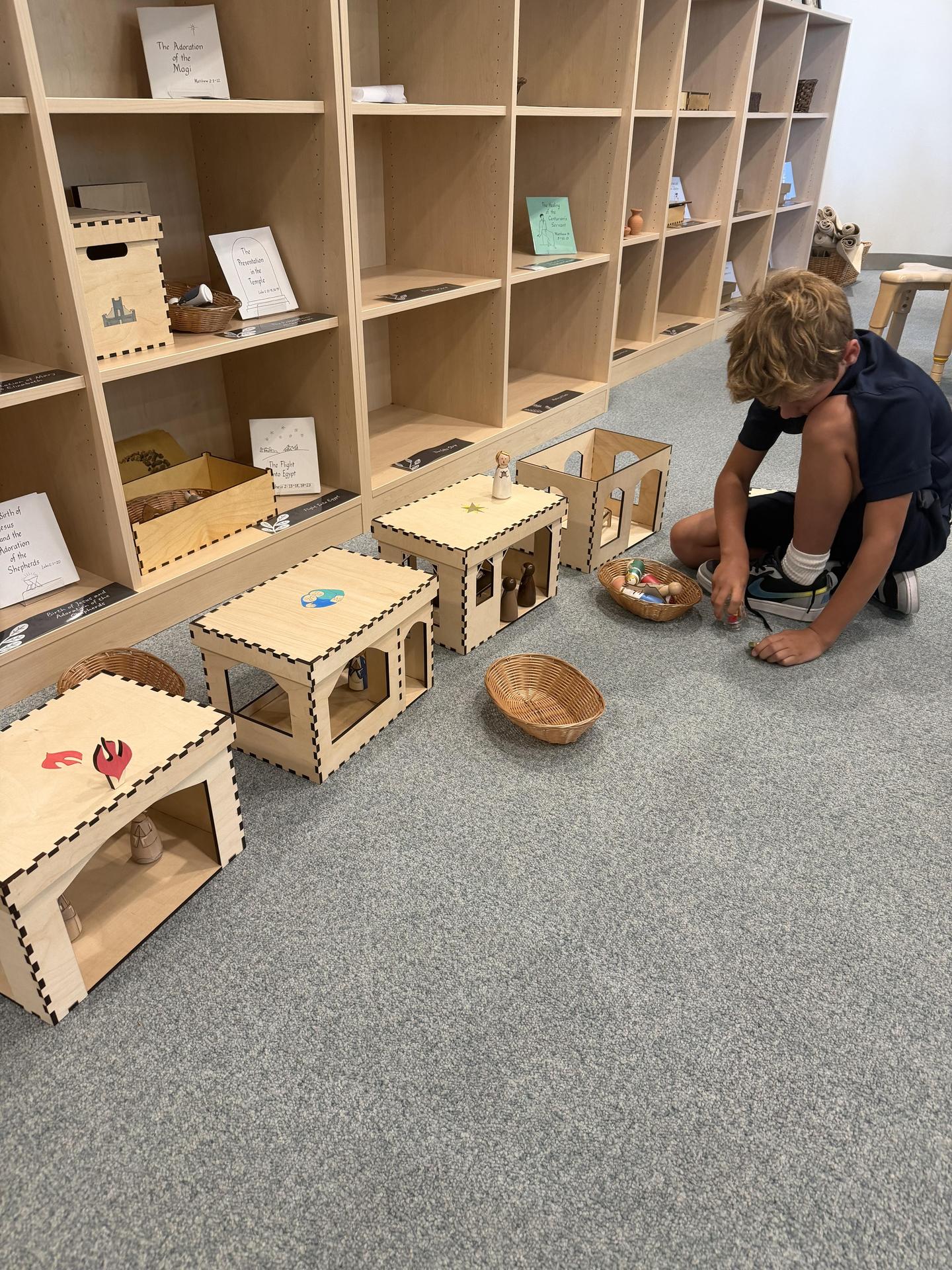
Students explore the stories surrounding the birth of Jesus through Scripture booklets, detailed dioramas, and 3D figures. Based on their age, they engage with the stories in ways suited to their stage of development. They discover the Annunciation, the Visitation, the Nativity, the Adoration of the Magi, the Presentation at the Temple, and the Flight into Egypt.

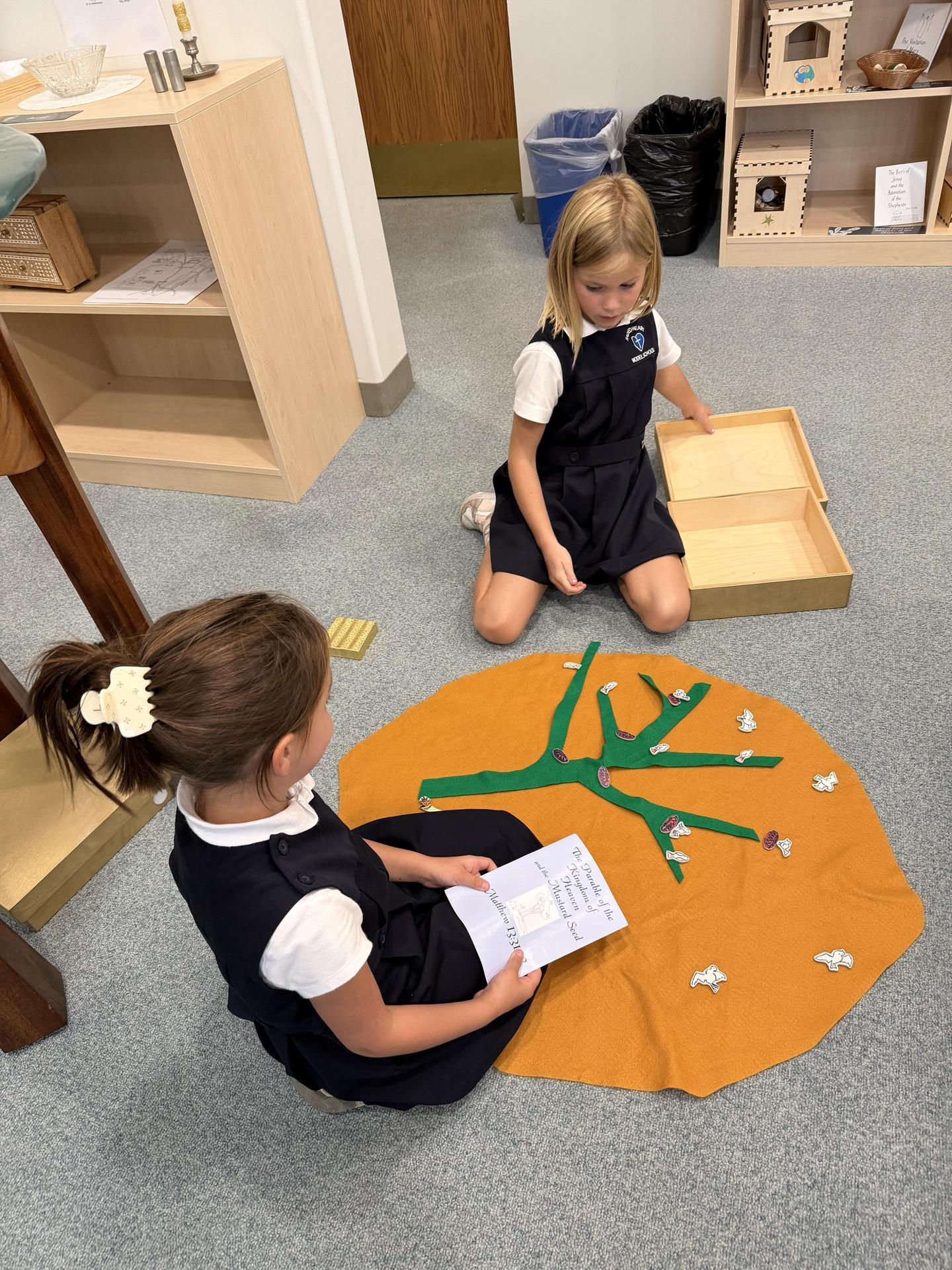
The Kingdom Parables invite children to discover the hidden meaning in Jesus’ parables and explore God’s Kingdom, which surrounds them and lives within them. These parables include the Mustard Seed, the Precious Pearl, and the Yeast.

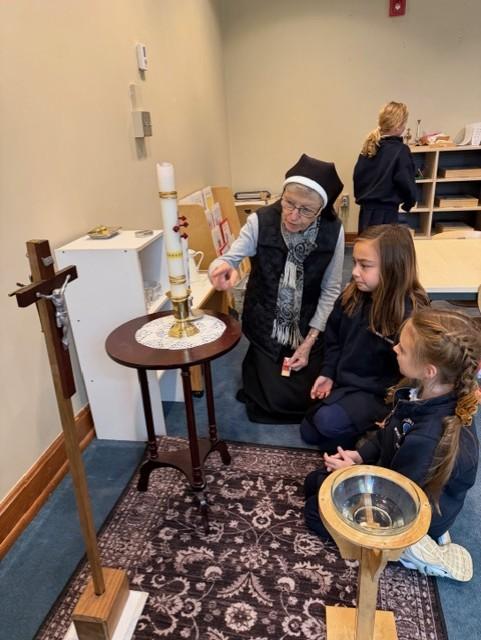
Through Baptism, the Risen Christ shares His life and light with us. In the Baptism area of the CGS Atrium, children learn about the signs that welcomed them into the light of Christ through hands-on materials such as holy water, the light of the Paschal Candle and baptismal candle, holy oils, the white garment, and the Word of God.

During the seasons of Lent and Easter, the Catechesis of the Good Shepherd Atrium invites children to reflect on the central mysteries of our faith: Jesus’ passion, death, and resurrection. Through hands-on materials, Scripture, and prayerful reflection, children encounter the great love of God revealed in these sacred events.
Featured presentations and materials include:
- The Last Supper — Jesus’ final meal with His disciples and the gift of the Eucharist.
- The City of Jerusalem — Exploring the places and events of Holy Week, from Palm Sunday through Easter Sunday.
- The Parable of the Grain of Wheat — Reflecting on Jesus’ words in John 12:24: “Unless a grain of wheat falls into the earth and dies, it remains just a single grain; but if it dies, it bears much fruit.”
- The Empty Tomb — Celebrating the joy and hope of Christ’s Resurrection.